
Permanent additives for thermoplastics: what they are, benefits, and applications
Today, thermoplastic materials are present in virtually every industrial sector, including automotive, electronics, packaging, food, construction, and consumer goods. Their lightweight nature, strength, and ease of processing make them an essential alternative to many traditional materials. However, plastics have a characteristic that can cause significant issues in certain applications: their low electrical conductivity.
The accumulation of electrostatic charges can lead to problems ranging from dust and particle attraction to unwanted electrical discharges that affect safety, final product quality, or the operation of certain components. To address these challenges, permanent antistatic additives for thermoplastics have become a key tool in the development of advanced materials.
What are permanent additives for thermoplastics?
Permanent additives for thermoplastics are additives designed to modify the electrical properties of polymers by reducing surface resistivity and enabling the controlled dissipation of electrostatic charges.
Unlike surface treatments or some conventional antistatic agents, these materials are incorporated into the polymer matrix and maintain their functionality throughout the entire service life of the part. This means that the protection does not rely solely on an external layer that may wear away over time, but rather on a solution integrated directly into the material itself.
The avanDISS range is based on inherently conductive polymers and enables the development of colorable solutions that reduce surface resistivity in a variety of thermoplastic materials.
Why is it important to control static electricity?
Although it often goes unnoticed, static electricity can become a critical factor in many industrial processes. When two materials come into contact and are then separated, electrical charges can build up on their surfaces. In conventional plastics, these charges may remain trapped due to the material’s insulating nature. The consequences can include:
- Dust accumulation and surface contamination.
- Issues during manufacturing and handling processes.
- Damage to sensitive electronic components.
- Discharge risks in industrial environments.
- Disruptions in processes where precision and cleanliness are essential.
For this reason, industries such as electronics, specialized packaging, and the energy sector require materials capable of efficiently managing electrostatic charges.
Advantages over traditional antistatic additives
Permanent antistatic additives offer several advantages over temporary solutions. These include:
- Greater durability
Conventional antistatic treatments can lose their effectiveness over time due to washing, abrasion, or additive migration to the surface. In contrast, permanent additives are designed to maintain stable electrical properties throughout the entire service life of the product.
- Consistent performance
One of the main advantages is their ability to maintain controlled surface resistivity values. In the case of the avanDISS range, the products are designed to achieve suitable surface resistivity levels for applications where electrostatic charge dissipation is required.
- Easy integration into industrial processes
These materials can be incorporated using standard plastic processing methods, such as injection molding or the extrusion of profiles and sheets. This makes them easy to adopt in existing production lines without the need for major modifications to industrial processes.
Applications of permanent additives for thermoplastics
The versatility of these additives allows them to be used across a wide range of industries.
- Electronic packaging
Electronic devices require special protection against electrostatic discharges. Even a small discharge can damage sensitive components, making packaging and protective systems made from antistatic materials essential.
- Industrial plastic boxes and components
Many technical parts manufactured by injection molding need to prevent dust accumulation or ensure controlled electrical properties. Thermoplastics modified with permanent additives provide an effective solution for these components.
- Industrial containers and IBCs
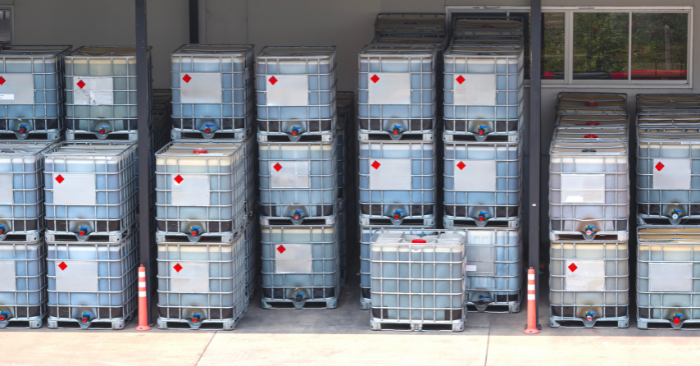
Large containers used for the storage and transportation of industrial products may require antistatic properties to improve safety during handling and use.
- Fuel-related equipment
In applications such as fuel dispensers or components located near fuels, proper management of electrostatic charges is essential to minimize risks.
Advanced materials for a safer industry
The development of functional materials is part of a growing trend within the industry: transforming conventional plastics into smart materials capable of delivering new and enhanced properties. The advanced materials developed by Avanzare provide solutions based on nanotechnology, 2D materials, and innovative functional developments for demanding industrial sectors. These technologies enable the improvement of properties such as electrical conductivity, thermal dissipation, and resistance to different operating conditions.
In this way, the evolution of thermoplastics is no longer focused solely on producing stronger or lighter materials, but also on adding specific functionalities that meet the requirements of each application.
The future of functional thermoplastics
Ultimately, the demand for safer, more efficient materials tailored to advanced applications will continue to grow in the coming years. Advanced electronics, mobility, industrial automation, and new manufacturing systems require materials capable of meeting increasingly complex challenges. Permanent additives for thermoplastics are a clear example of how innovation in additives can transform a conventional plastic into a material with enhanced capabilities. Thanks to these solutions, it is possible to combine the traditional advantages of polymers, such as lightweight properties, ease of processing, and versatility, with advanced electrical performance.