
Why is controlling static electricity important?
Static electricity is a phenomenon that often goes unnoticed in many situations, but in industrial, production, and technological environments it can become a serious issue affecting safety, quality, and efficiency. Controlling it is not only advisable but, in many cases, critical to prevent financial losses, product defects, and risks to people.
Static electricity in polymeric materials
One of the most common scenarios where this issue arises is in the use of plastics and polymers. These materials are particularly prone to accumulating electrostatic charge due to their low electrical conductivity. When two surfaces come into contact and then separate, a very common occurrence in industrial processes, electrons are transferred, which can lead to a buildup of charge and cause several problems:
- Dust and dirt attraction: Electrically charged surfaces act like magnets for particles in the environment. This directly affects the product’s appearance, cleanliness, and performance.
- Electrostatic discharges (ESD): These discharges can damage sensitive electronic components, especially in sectors such as microelectronics or the manufacturing of technological devices.
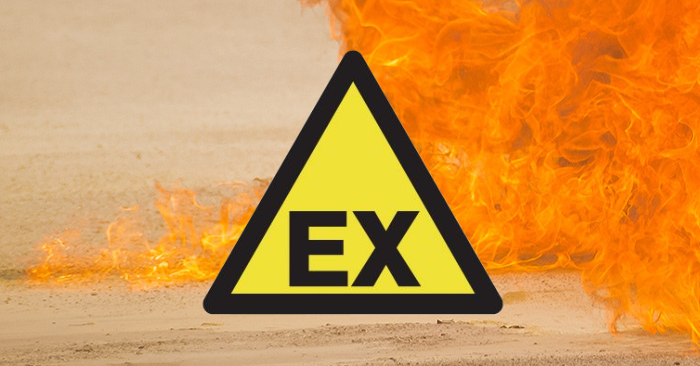
- Explosion or fire risks: In industrial environments where flammable dust or combustible vapors are present, a simple spark generated by static electricity can trigger a serious accident.
- Handling and logistics issues: Static electricity complicates processes such as packaging, transport, and assembly, leading to inefficiencies.
Critical risks in industry: explosion and safety
In sectors such as automotive painting or the handling of industrial powders, controlling static electricity is a critical safety issue. An electrostatic discharge can be enough to trigger ignition in environments with explosive atmospheres.
This hazard, known as explosion risk (EX), requires companies to implement advanced electrostatic control solutions. In this context, antistatic additives play a key role in reducing charge buildup and minimizing the likelihood of dangerous discharges.
Protection of electronic components
Another critical area is the protection of electronic devices. During the manufacturing, assembly, or transport of sensitive components, static electricity can cause irreversible failures that are not always immediately visible but can significantly affect the product’s lifespan.
Controlling ESD (electrostatic discharge) is therefore essential in what are known as EPAs (Electrostatic Protected Areas). In these controlled environments, materials and solutions specifically designed to dissipate or neutralize electrical charges are used, ensuring the integrity of components throughout the entire production process.
Cleanliness and final product quality
In industries such as food, cosmetics, or home appliances, the presence of dust adhering to surfaces due to static electricity can seriously compromise the perceived quality of the product.
To prevent this, antistatic solutions are used to reduce the attraction of airborne particles. This phenomenon, known as ESA (Electrostatic Attraction of Dust), affects not only the product’s appearance but also its hygiene and regulatory compliance in highly regulated sectors.
Advanced technologies for controlling static electricity
The development of advanced materials has enabled the creation of innovative solutions for controlling static electricity in polymers. Among these technologies developed by Avanzare, several approaches based on functional additives stand out.
- avanGRP: graphene-based conductivity
This technology uses additives based on graphene and other conductive materials that form a three-dimensional network within the polymer. This network enables controlled electrical conductivity, allowing static charges to be dissipated. One of its main advantages is that it maintains stable conductivity even under changes in humidity or temperature, making it a highly robust solution for demanding environments. However, it has limitations regarding the range of colors available in the final product.
- avanDISS: permanent and colorable dissipation
The avanDISS technology is based on inherently dissipative polymers that also form a three-dimensional network within the material. Unlike other solutions, it allows the final product to be colored, expanding its applications in sectors where aesthetics are important. Although its conductivity may be more limited compared to graphene-based solutions, it stands out for its permanent nature and design versatility.
- avanSTATIC / avanION: ionic control
This approach uses ionic conductors integrated into polymers. Its effectiveness depends on the polarity of the base material, being especially efficient in polymers with a certain level of polarity. It is generally a permanent solution, although its performance may vary depending on the application and material type.
- avanSTATIC MLL: solution for low-polarity polymers
For low-polarity polymers, where other solutions may be less effective, avanSTATIC MLL is used. This is a non-permanent antistatic additive whose effect can last between 6 months and 3–4 years, depending on the material and usage conditions. This flexibility makes it a very interesting option for applications where a permanent solution is not required, but effective control is needed throughout the product’s lifespan.
In summary, controlling static electricity is a fundamental aspect across many industrial and technological sectors. It is not only about preventing minor issues such as dust attraction, but also about ensuring safety in potentially explosive environments, protecting sensitive electronic components, and guaranteeing the quality of the final product.